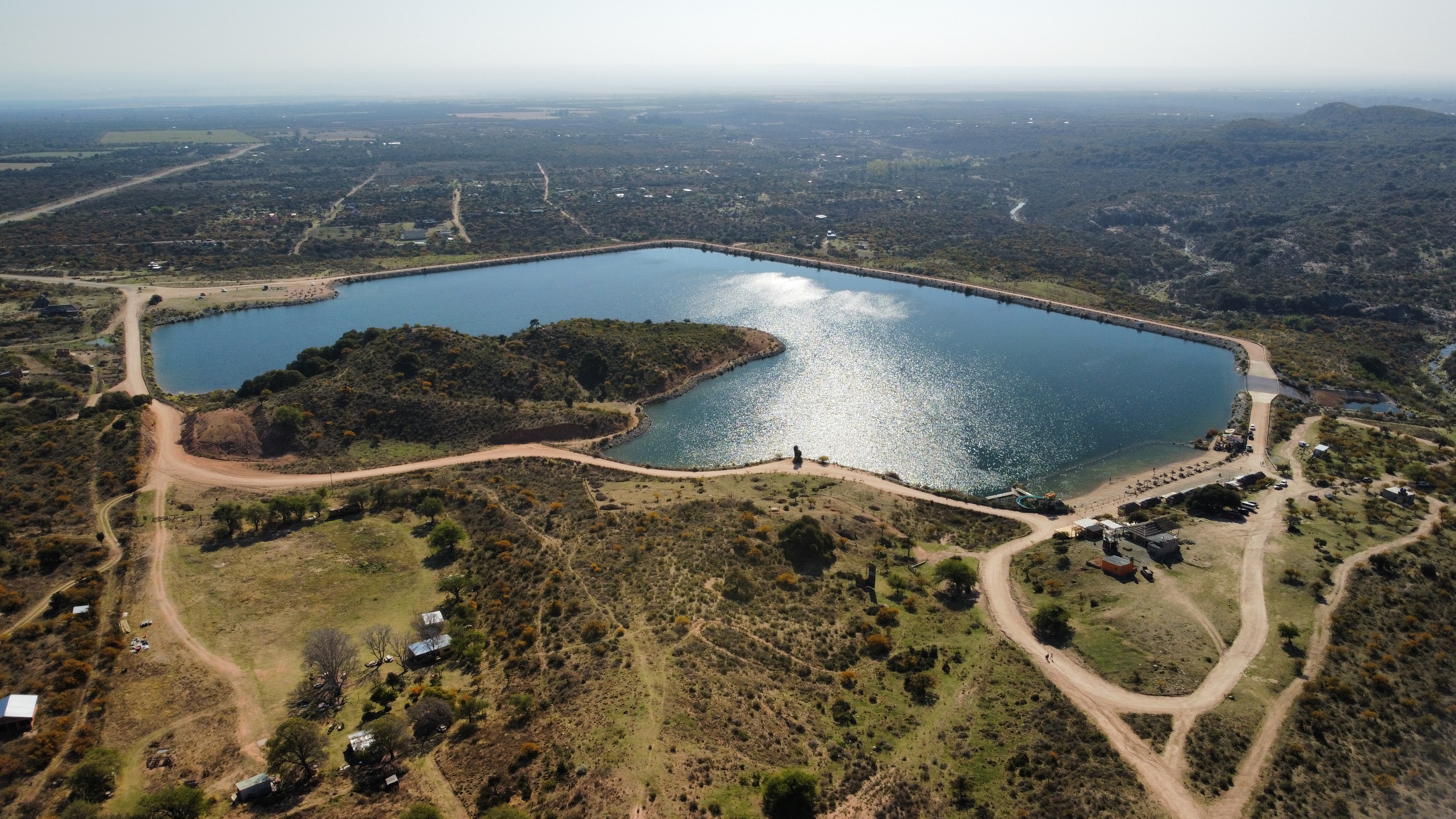
Dique Piscu Yaco is more than a piece of modern infrastructure: it is a water mirror reflecting the long history of San Luis. It sits in the Conlara Valley (Valle del Conlara), about 6 km from Cortaderas and roughly 25 km from the mountain town of Villa de Merlo (typically 25–27 km by road), around 190 km from the provincial capital.
Echoes of the Comechingones
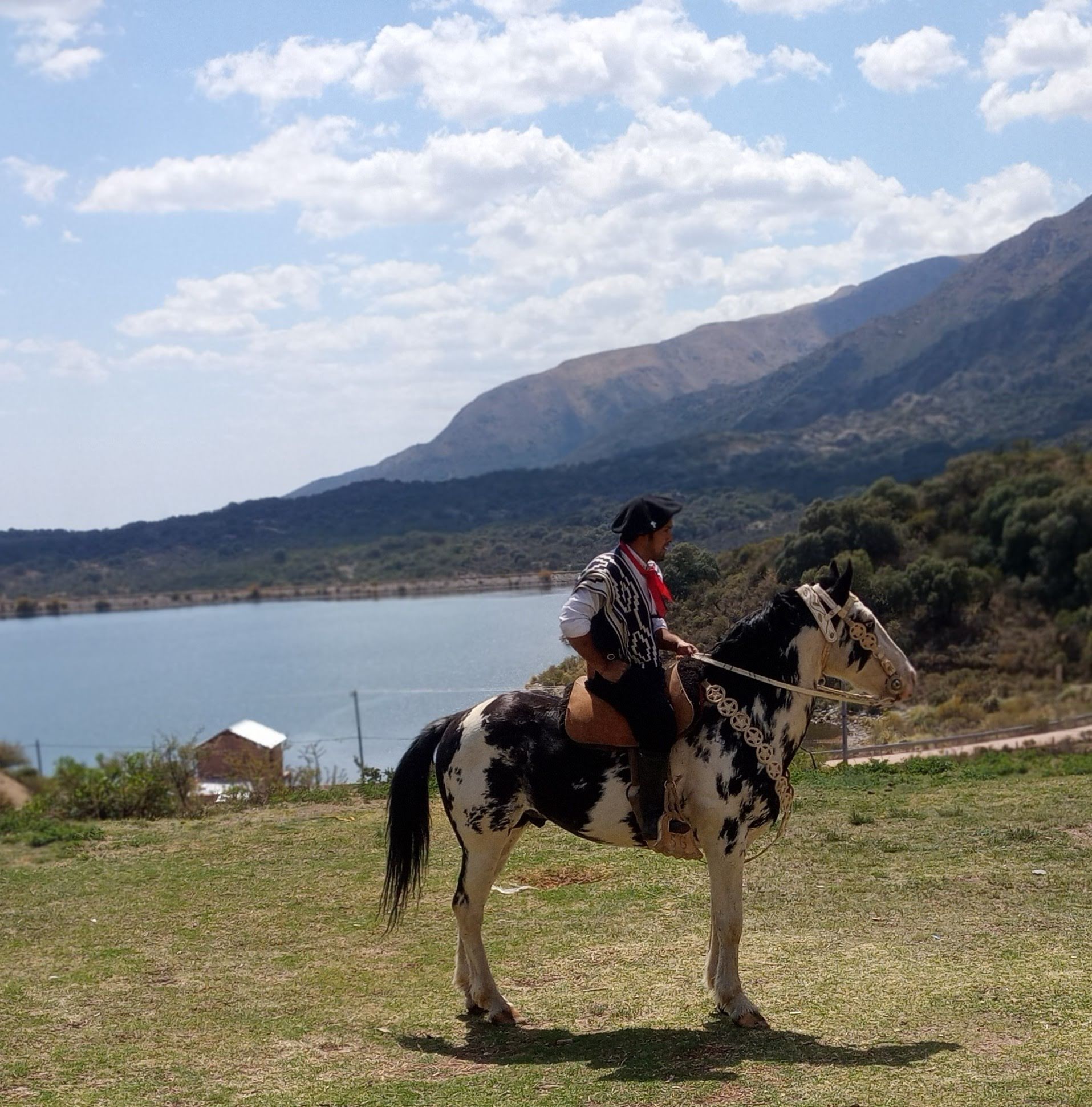
Long before the Spanish arrived, these sierras were home to the Comechingones people. Their worldview treated mountains and water as living presences, and water as the blood of Mother Earth (Pachamama). Even today, rock art and stone mortars (morteros) can still be found along nearby trails.
A Quechua name with poetic weight
‘Piscu Yaco’ comes from Quechua and is commonly rendered as ‘the birds’ watering place’ (Aguada de los Pájaros). The name is also widely linked to the imagery of San Luis poet Antonio Esteban Agüero, whose ‘Cantata al Algarrobo Abuelo’ turned birds, mountains and old carob trees into a spiritual emblem of the region.
A milestone in eco‑oriented waterworks
The reservoir was inaugurated on 20 December 2010. It is the 15th ‘water mirror’ (espejo de agua) in San Luis and the first reservoir built in the Sierras de los Comechingones. Its clear waters (about 16.9 hectares) support climate regulation and dry‑season storage, and provide habitat for waterbirds such as ducks and herons.
Indigenous Legends of the Sierras
In Comechingones cosmology, mountains and water are not inert scenery but living forces. These stories offer a way to approach Piscu Yaco with respect.
In a dry mountain landscape, springs and pools were treated as sacred passages to an underworld of spirits. A great serpent was said to guard the clear water — a symbol of flow and the life of the earth.
Visitors would keep quiet and leave small offerings by the shore, expressing gratitude and asking for protection.
The underlying ethic resonates with modern conservation: protect the water body and visit with minimal impact.
One origin tale says that ancient giants chose to become rock in order to shield the valley’s beings from harsh winds and storms, forming the ridge‑lines seen today.
Within this worldview, the sierras are the raised backbone of Pachamama, while the Sun (Inti) and Moon (Quilla) give them rhythm and light.
When dawn or dusk colours the granite behind the reservoir, it is imagined as the moment the gods awaken or rest.
Piscu Yaco is named for birds, and birds — especially the Andean condor — are revered as messengers between earth and sky.
It is said that when elders pass, a condor carries their spirit across the Conlara Valley until it becomes part of the mountains.
Today, spotting a large raptor circling above the lake can feel like a living echo of that ancient imagination.
Naming Notes & Literary Context
‘Piscu Yaco’ is commonly translated from Quechua as ‘the birds’ watering place’ (Aguada de los Pájaros), and is sometimes interpreted as ‘clear water’ (agua clara). Both readings point to the same appreciation of clean water and thriving life.
The name is also widely associated with San Luis poet Antonio Esteban Agüero, whose imagery in ‘Cantata al Algarrobo Abuelo’ ties birds, mountains and old carob trees to regional identity.
02
The Reservoir & Surrounding Landscape
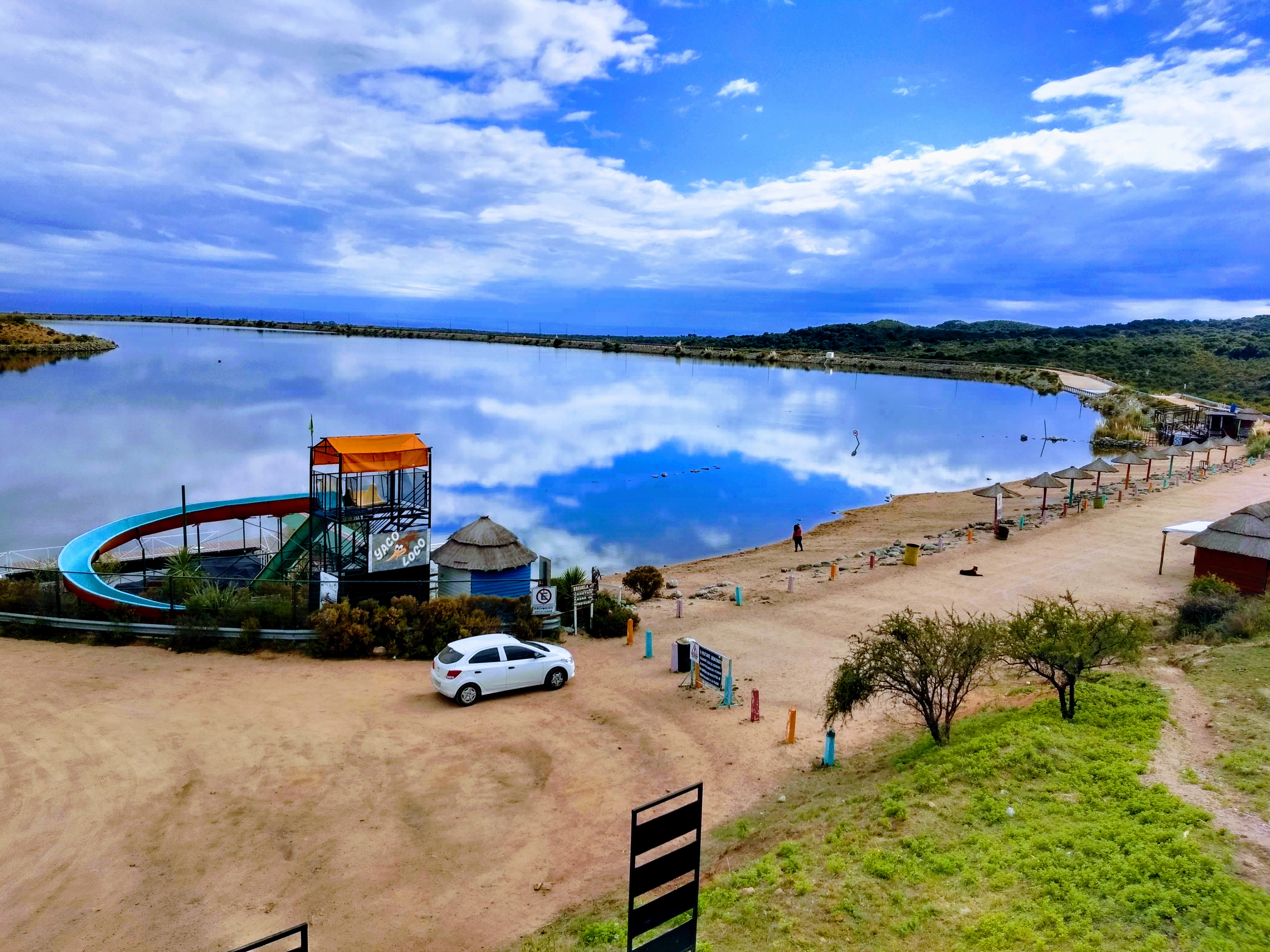
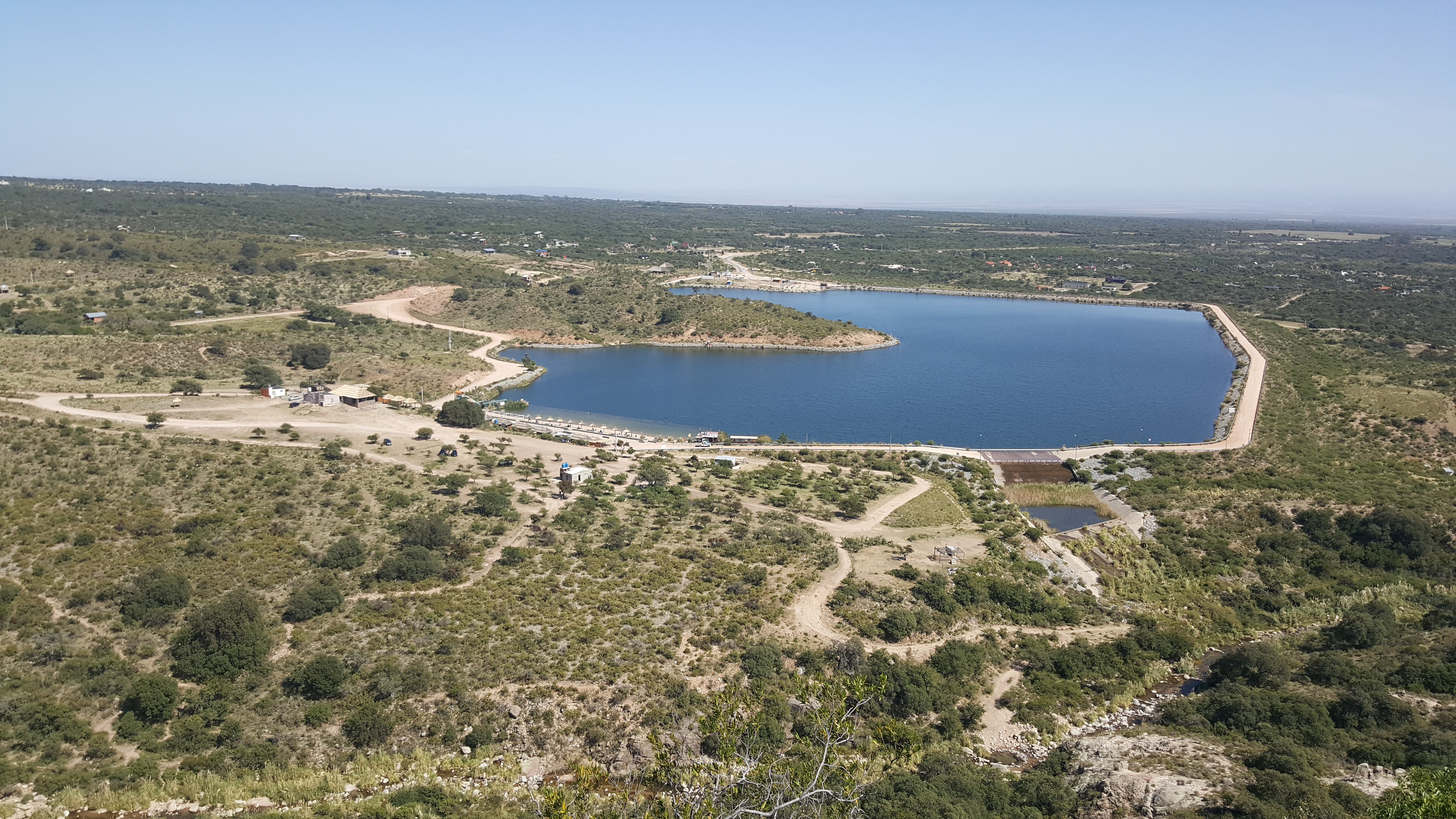
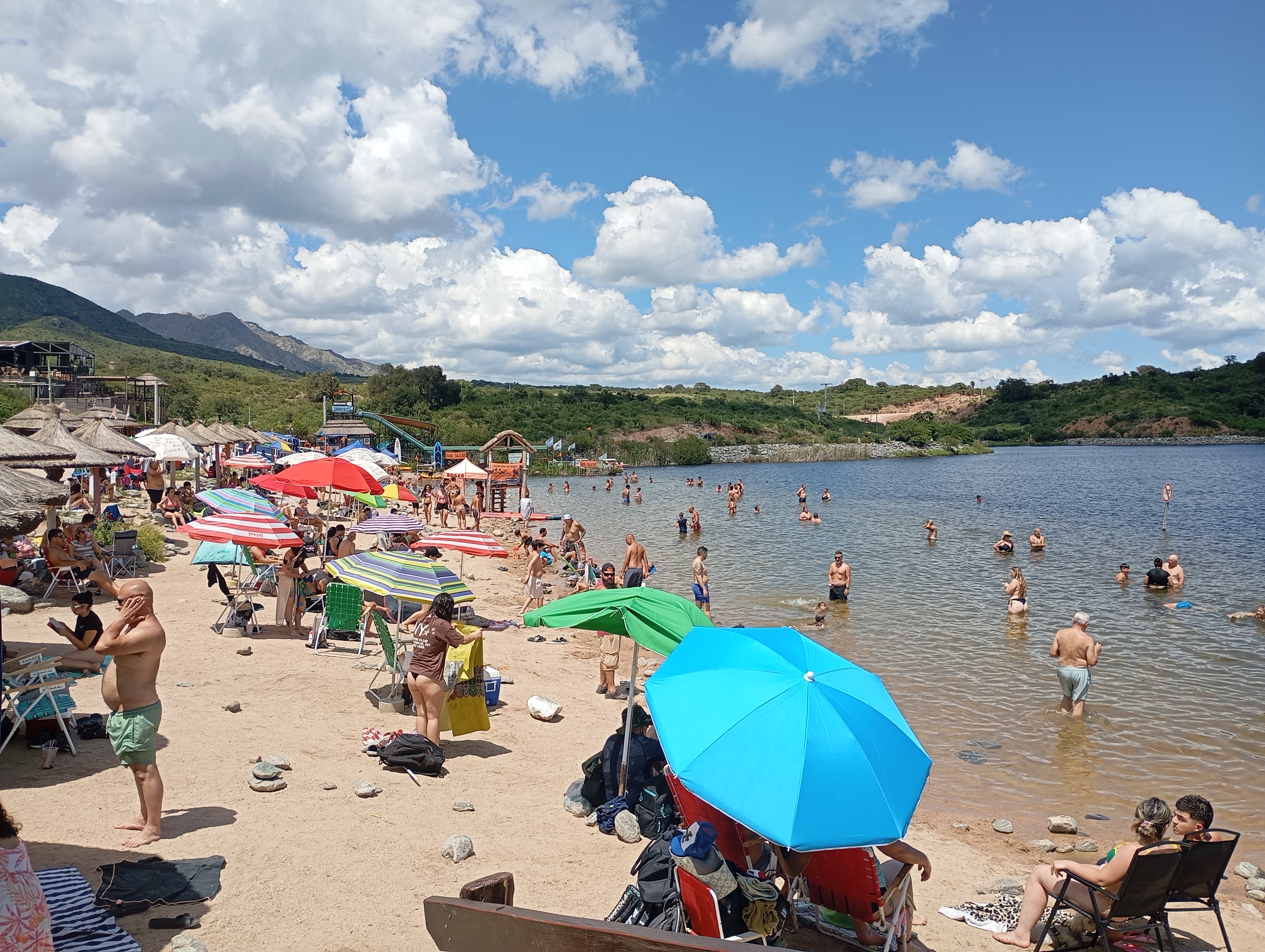
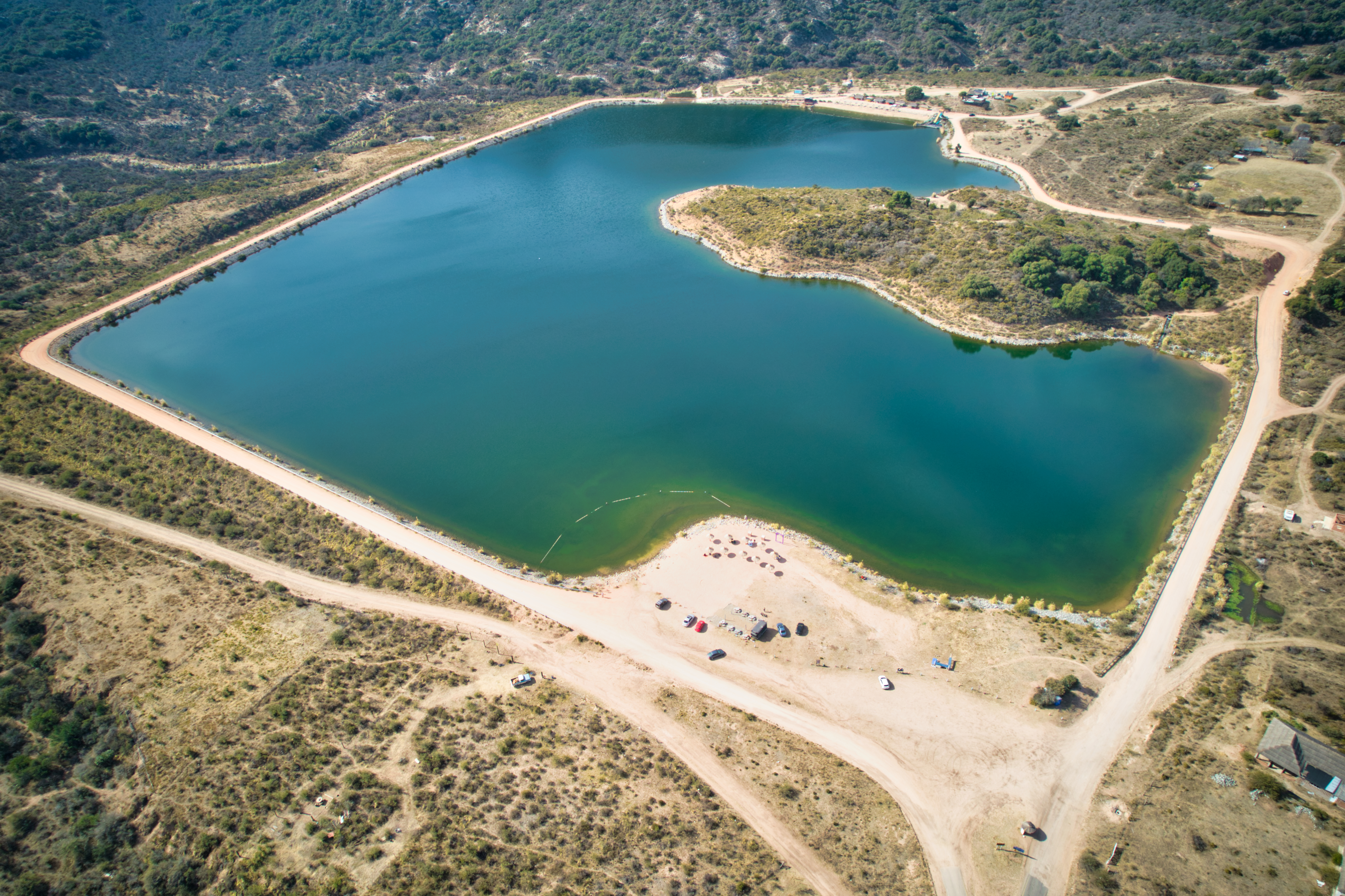
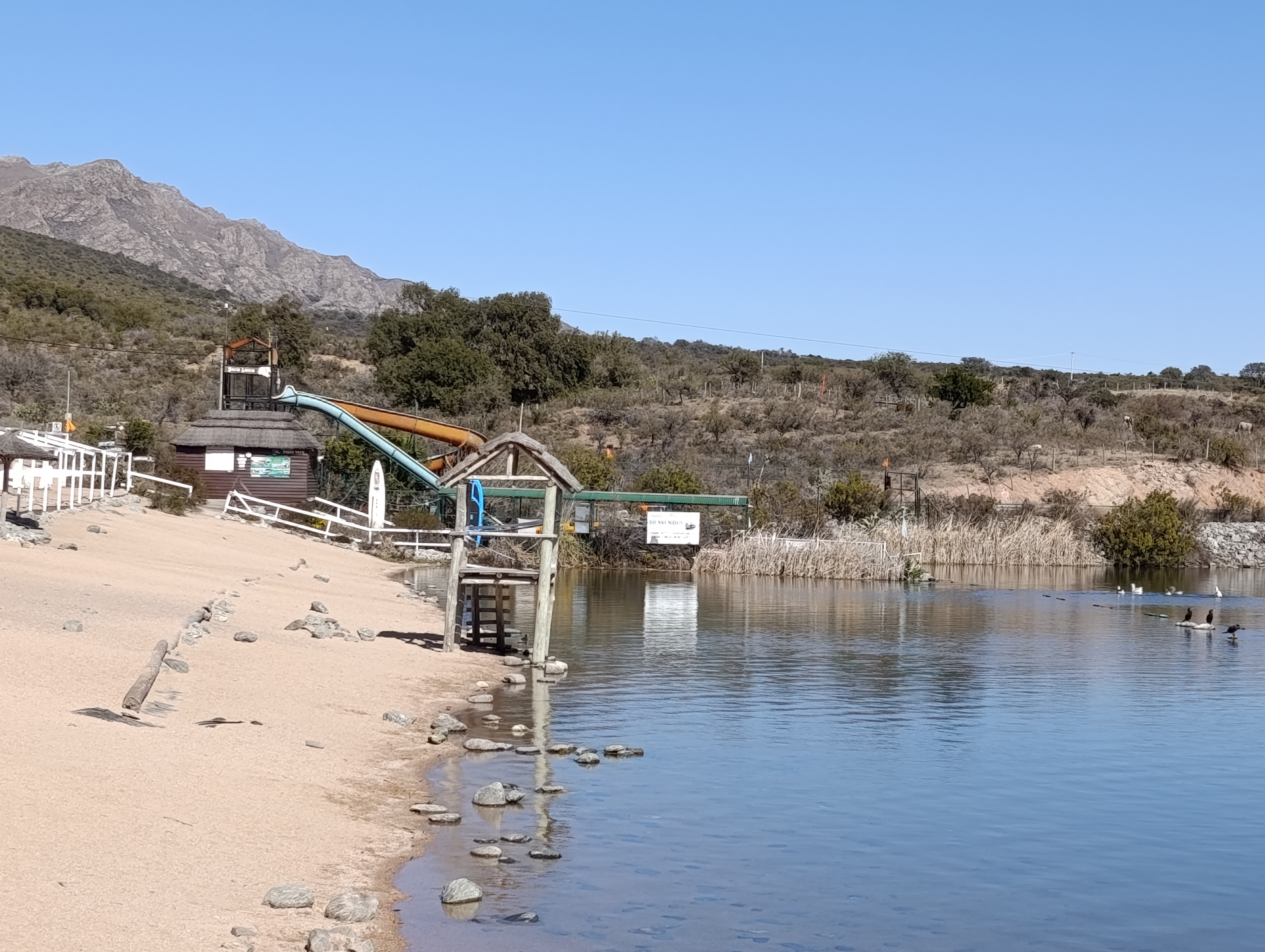
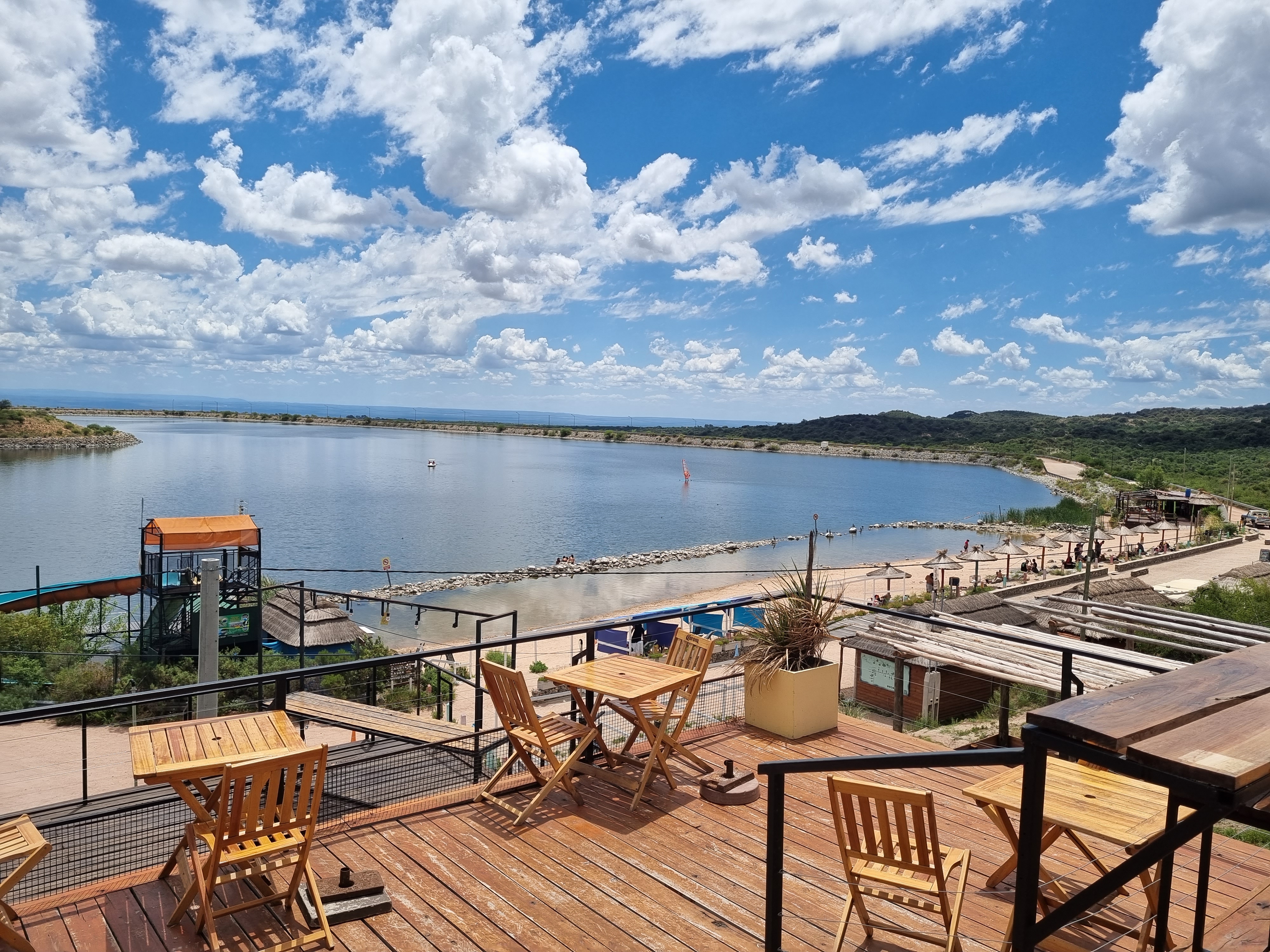
Piscu Yaco is more than a storage basin — it is a landscape where a human-made lake meets raw mountain scenery. The dam, spillways and lakeside green belt together form a public eco-recreation space.
Engineering Structure
As the 15th 'water mirror' of San Luis and the first reservoir in the Comechingones range, its main body consists of an embankment dam and spillway system. The water surface covers about 16.9 hectares, with the wider catchment around 21 hectares, serving supply, regulation and tourism.
Landform
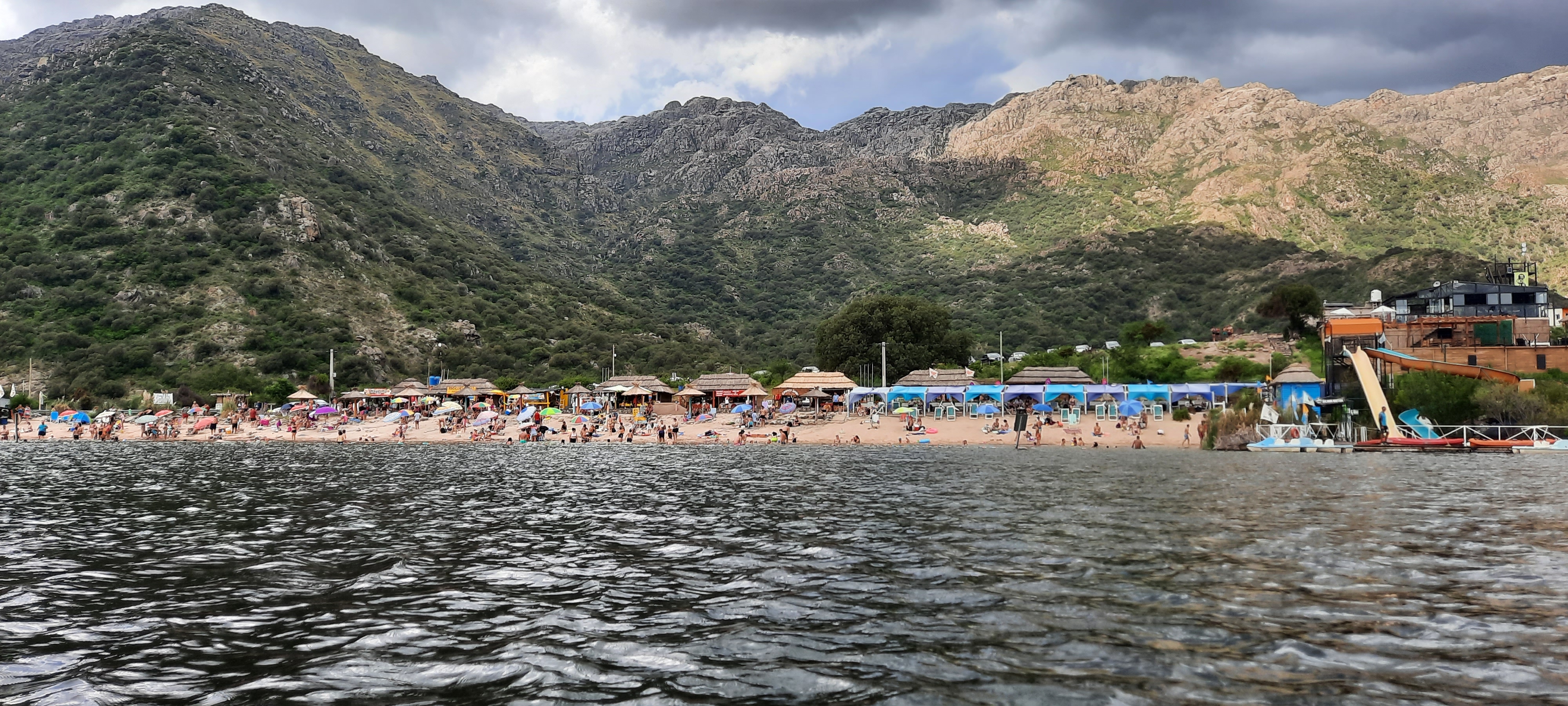
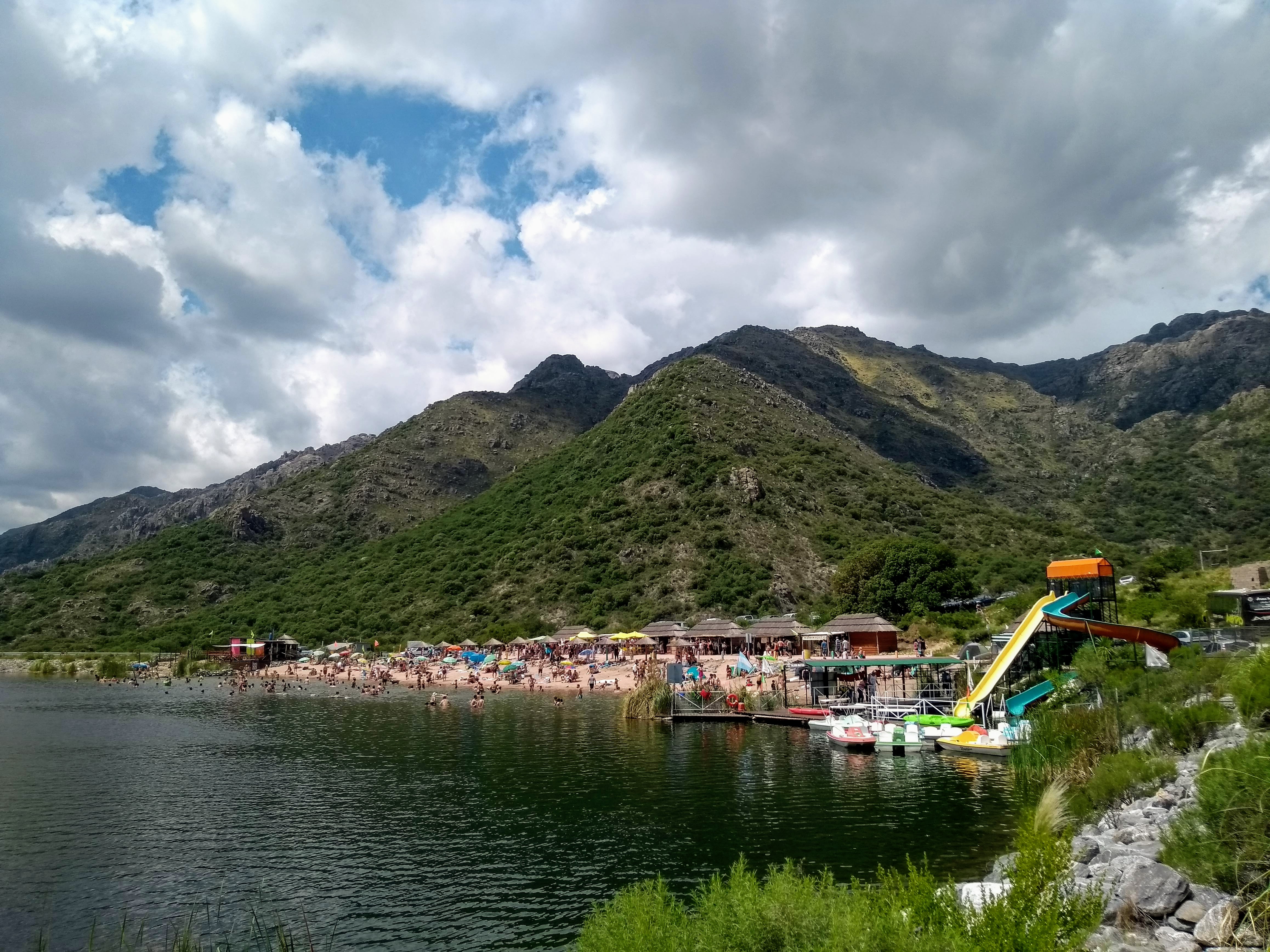
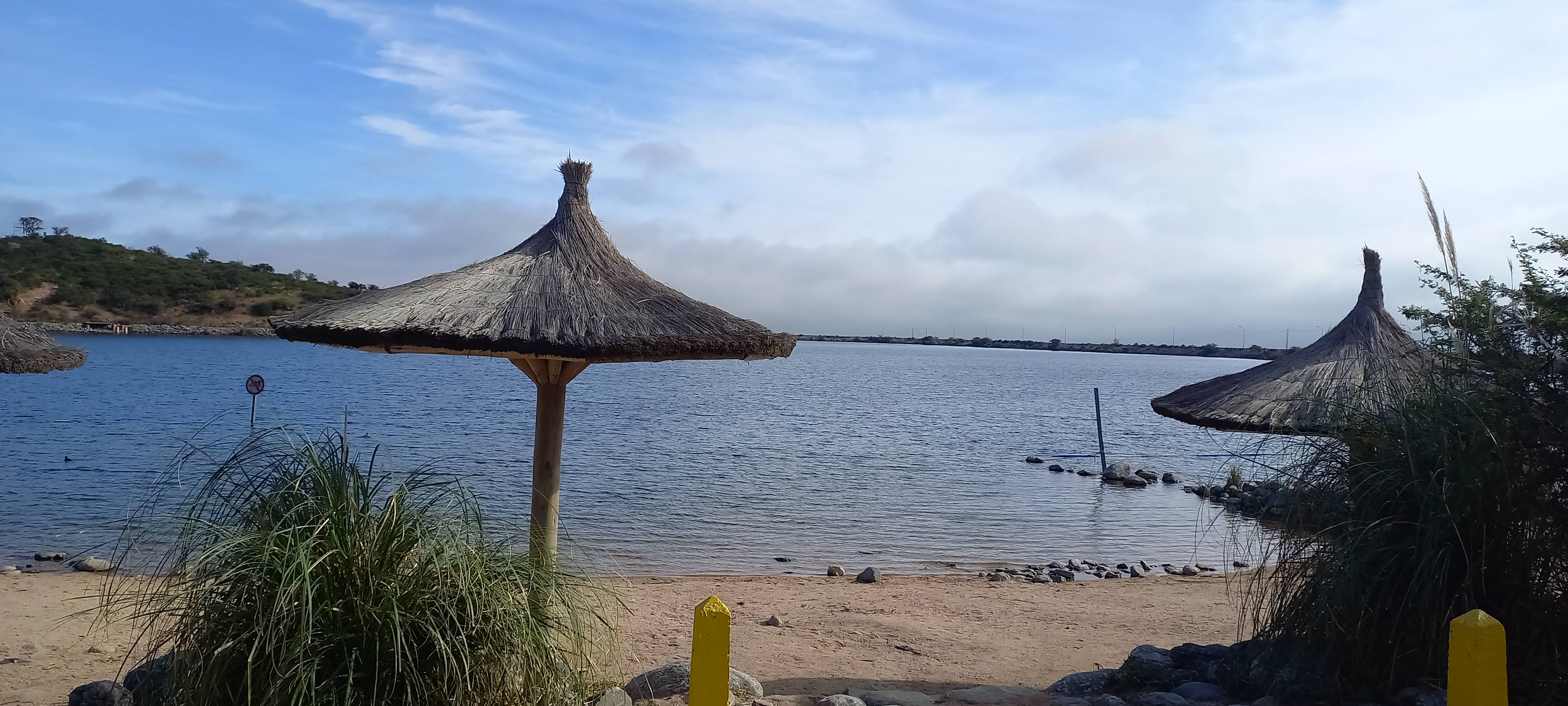
Set among the hills of the Conlara Valley, the reservoir is framed by typical San Luis granite sierras and dry woodland (carob, chañar shrubs). The blue water against red-ochre rock makes it a favourite for photography and sketching.
Viewing Experience
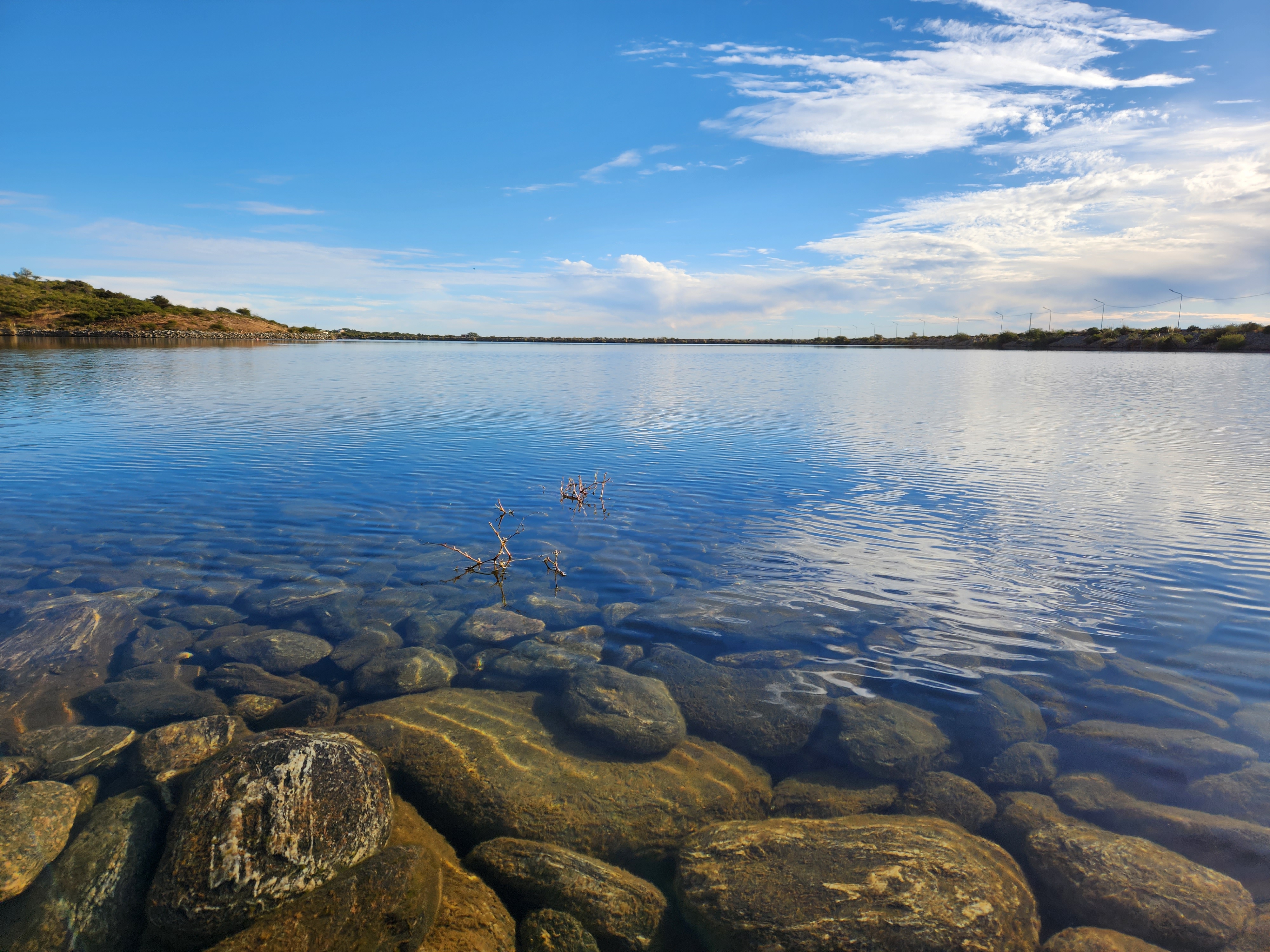
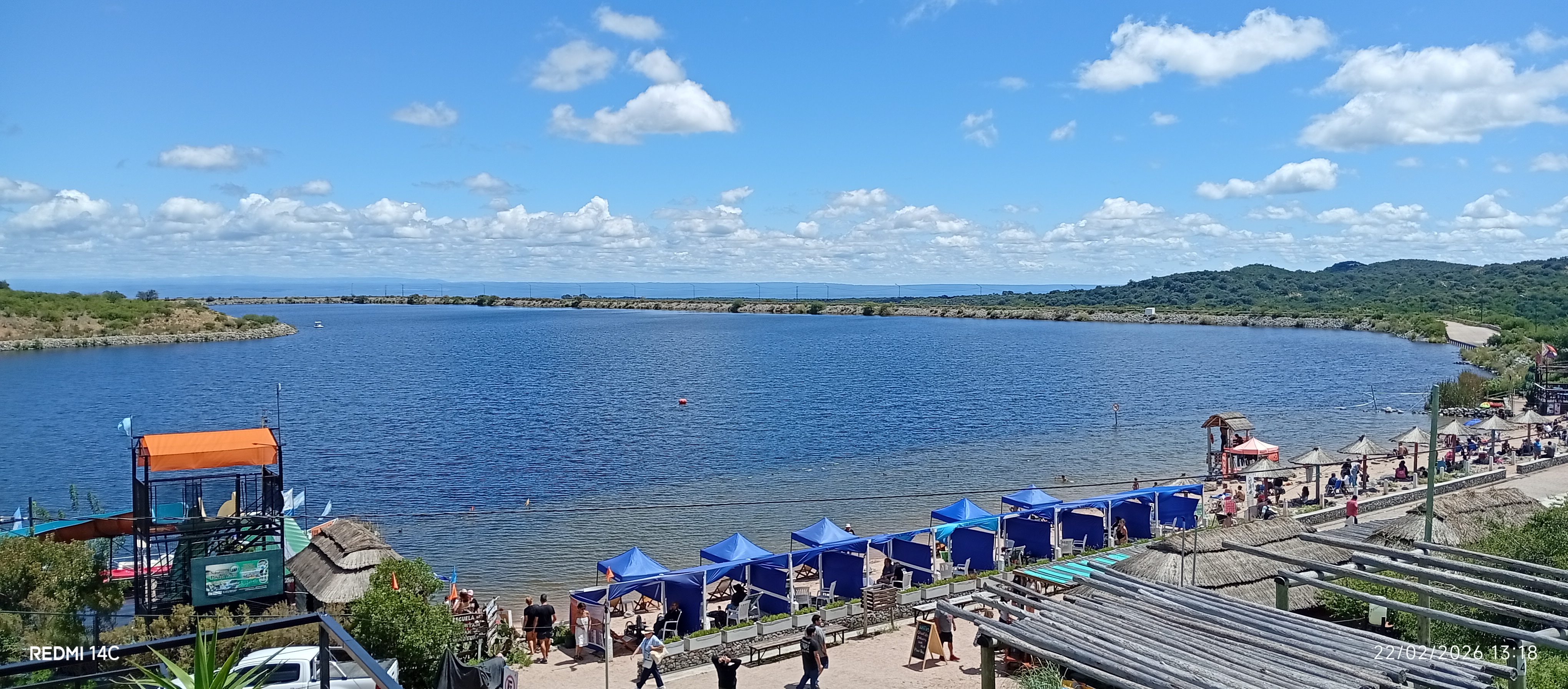
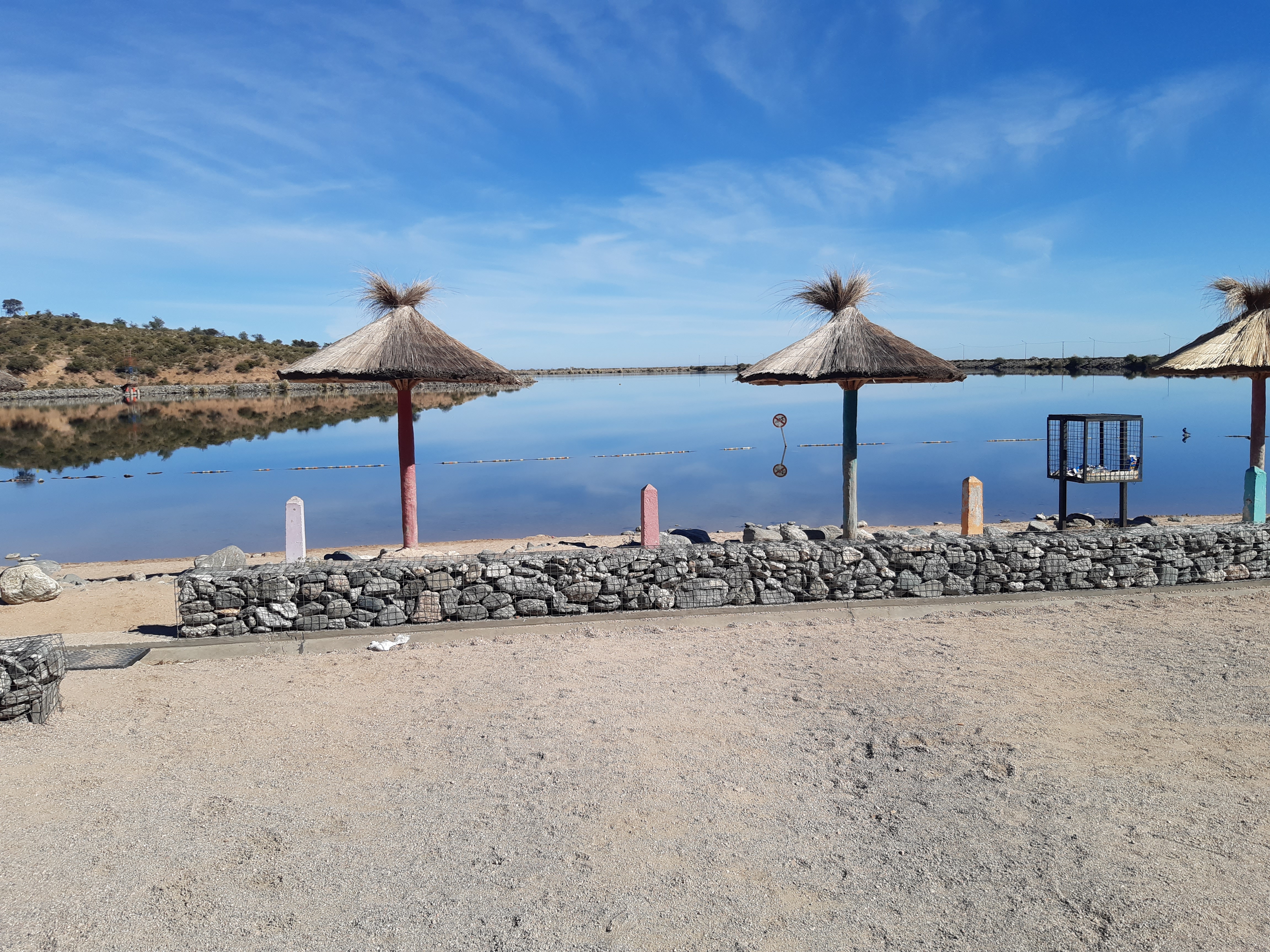
Walking and rest areas line the shore, letting visitors get close to the water and gaze at the ridgelines. At sunrise and sunset the lake turns mirror-still and the hills glow warm — the most moving time to see the 'birds' watering place'.
Basic Information
Name
Dique Piscu Yaco
Location
Conlara Valley, Cortaderas, San Luis, Argentina
Inaugurated
20 December 2010
Surface Area
about 16.9 hectares
District
Chacabuco
Nearest Town
Villa de Merlo (~25 km)
03
What to Do at Piscu Yaco
It is both a waterside retreat and a gateway to the Comechingones Sierras. The activities below are beloved by families, couples and outdoor enthusiasts.
1
Kayaking & Rowing
The calm surface is ideal for kayaks, canoes and leisure rowing. Non-motorised boats let you approach the water quietly and watch the birds.
2
Recreational Fishing
Common freshwater species are stocked, drawing many anglers. Please follow local rules on gear and catch limits and practise catch-and-release.
3
Hiking & Birdwatching
Easy lakeside and hillside trails suit light hiking. Bring binoculars — you may spot herons, ducks and more, which is exactly why it is called the 'birds' watering place'.
4
Lakeside Picnic & Camping
Designated picnic and camping areas let families relax between mountain and water. Waking to mountain wind and water at sunset is unforgettable.
04
Eco Responsibility
Piscu Yaco is a meeting point between a public water body and wildlife habitat. As an independent non‑profit educational guide, we encourage low‑impact visits so the site can keep functioning as an ecosystem.
Leave no trace: take all rubbish and recyclables with you, including cigarette butts and food scraps
Protect the water: avoid soaps, detergents or any chemicals in or near the lake
Respect wildlife: keep distance from birds, do not feed them, and use binoculars or zoom lenses
Stay in designated areas: picnic and camp only where permitted to avoid trampling sensitive habitat
Reduce noise and light: avoid loud music and strong lights, especially at dawn and dusk
05
Between Mountain & Water
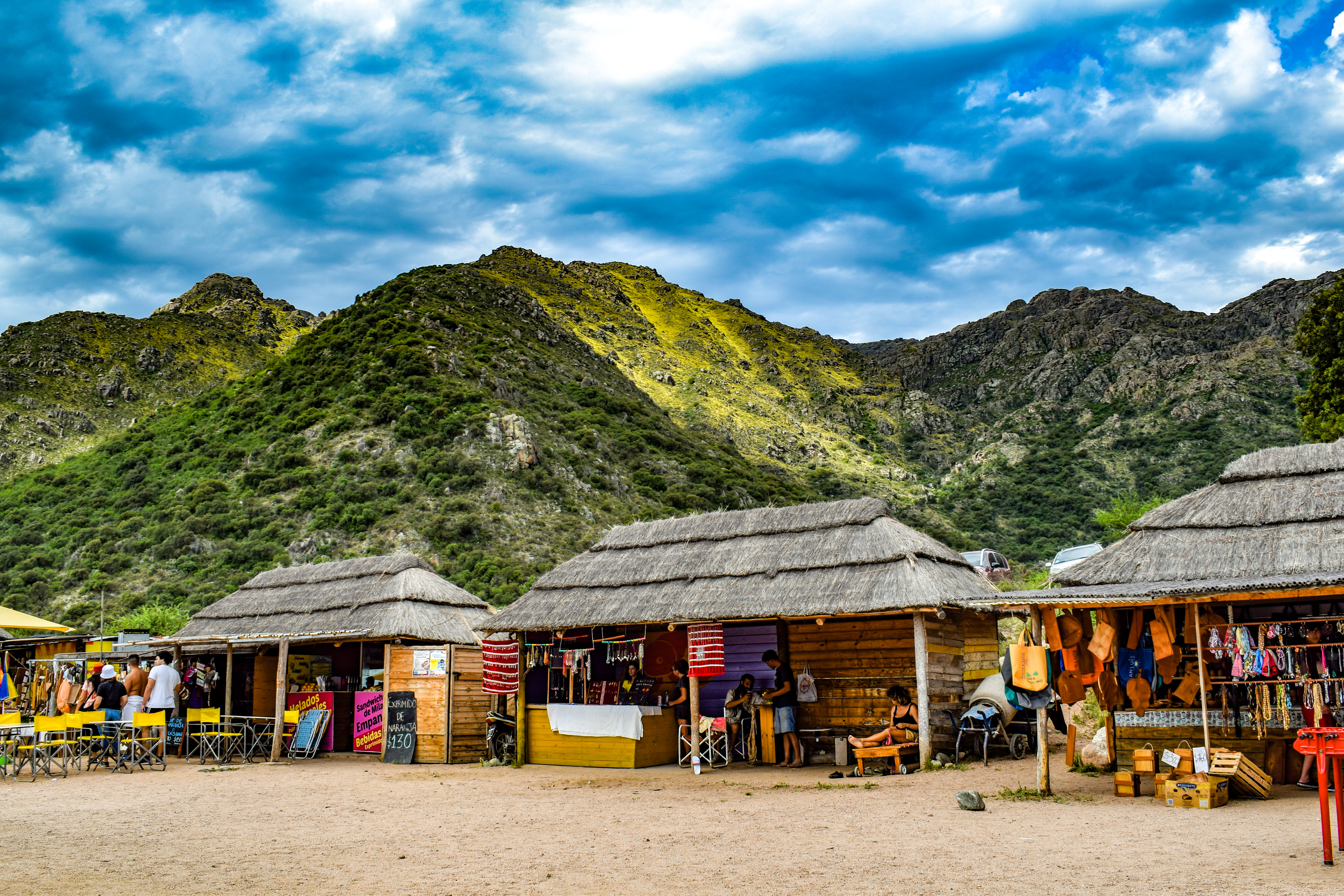
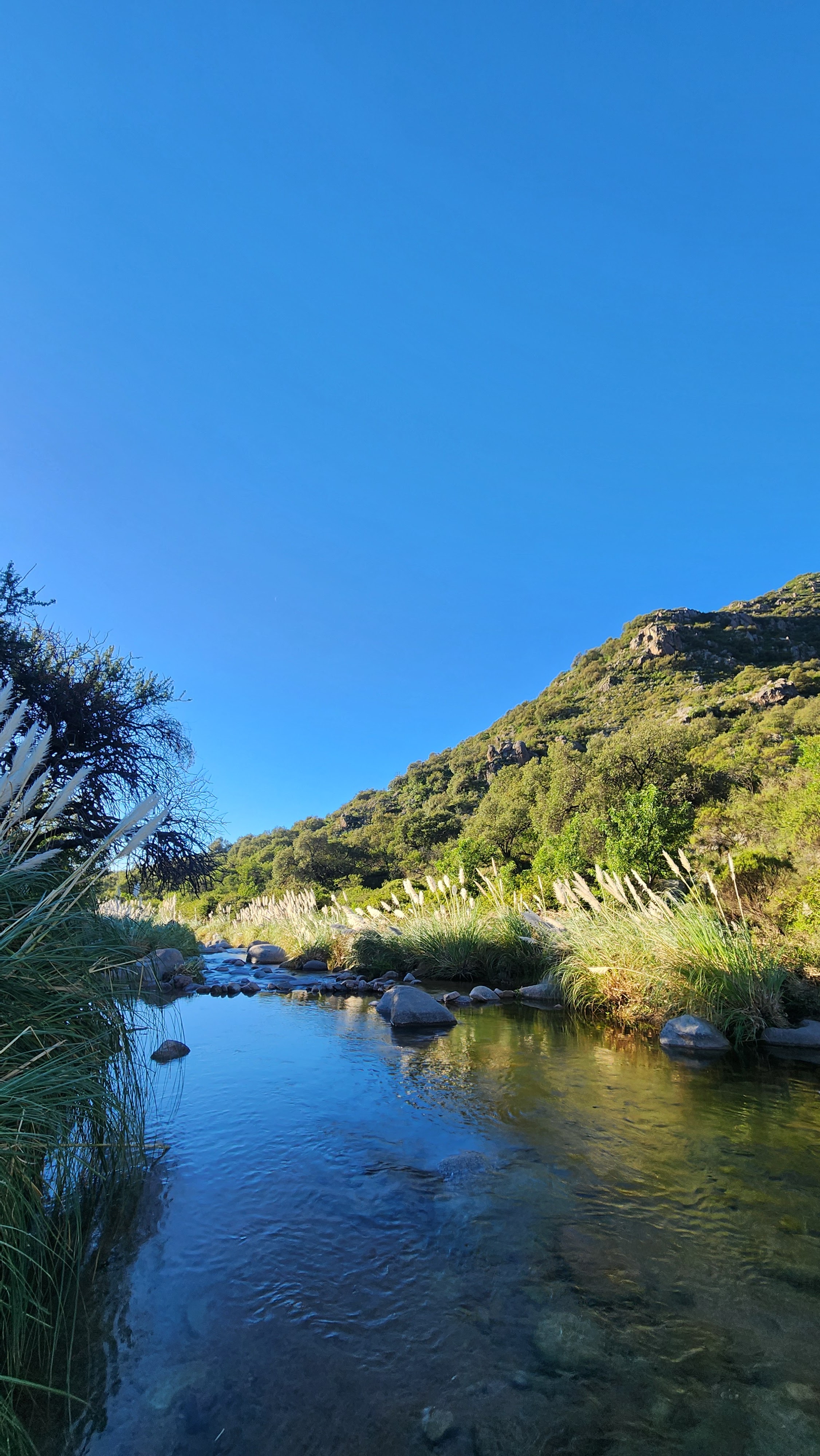
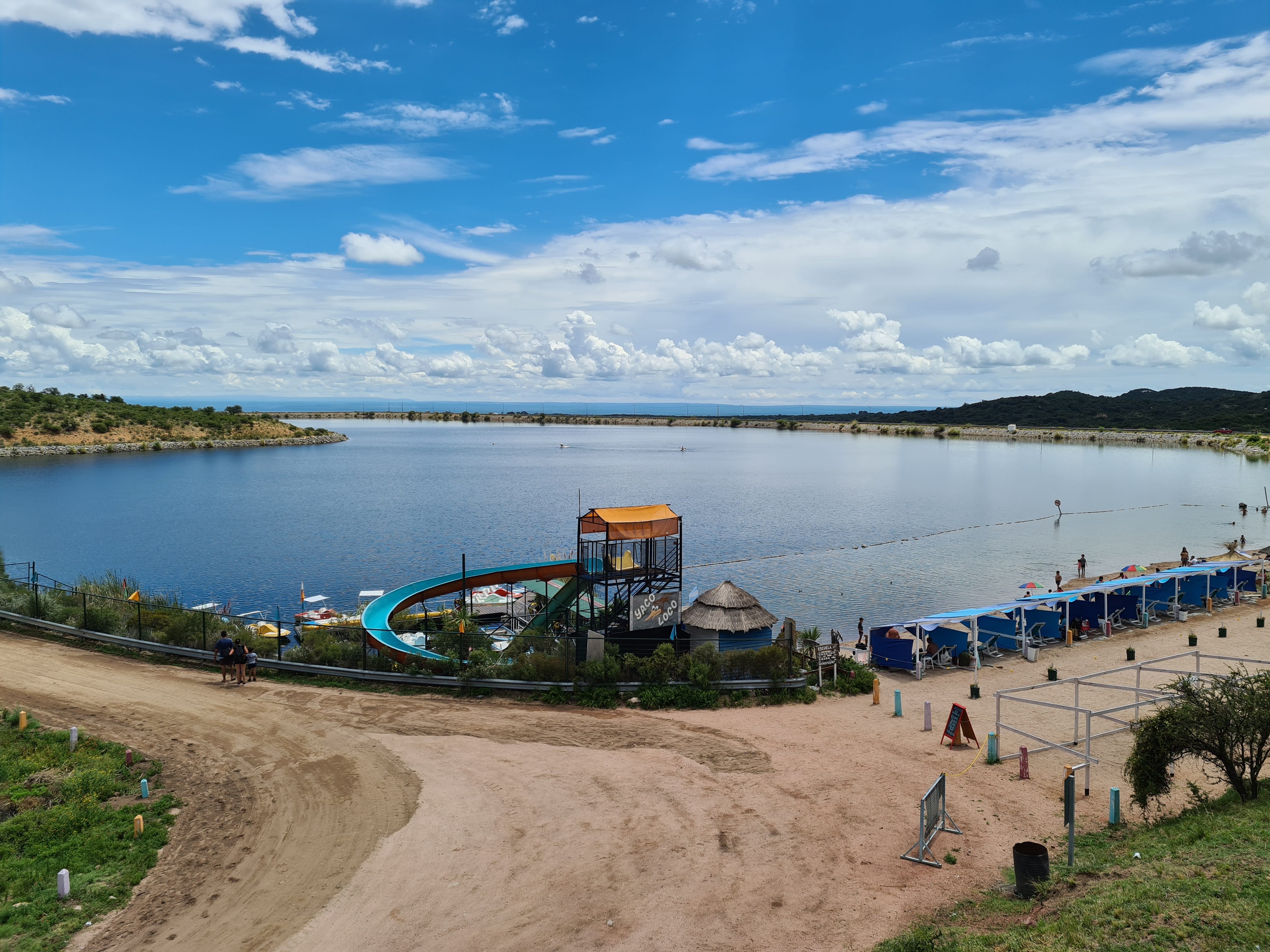
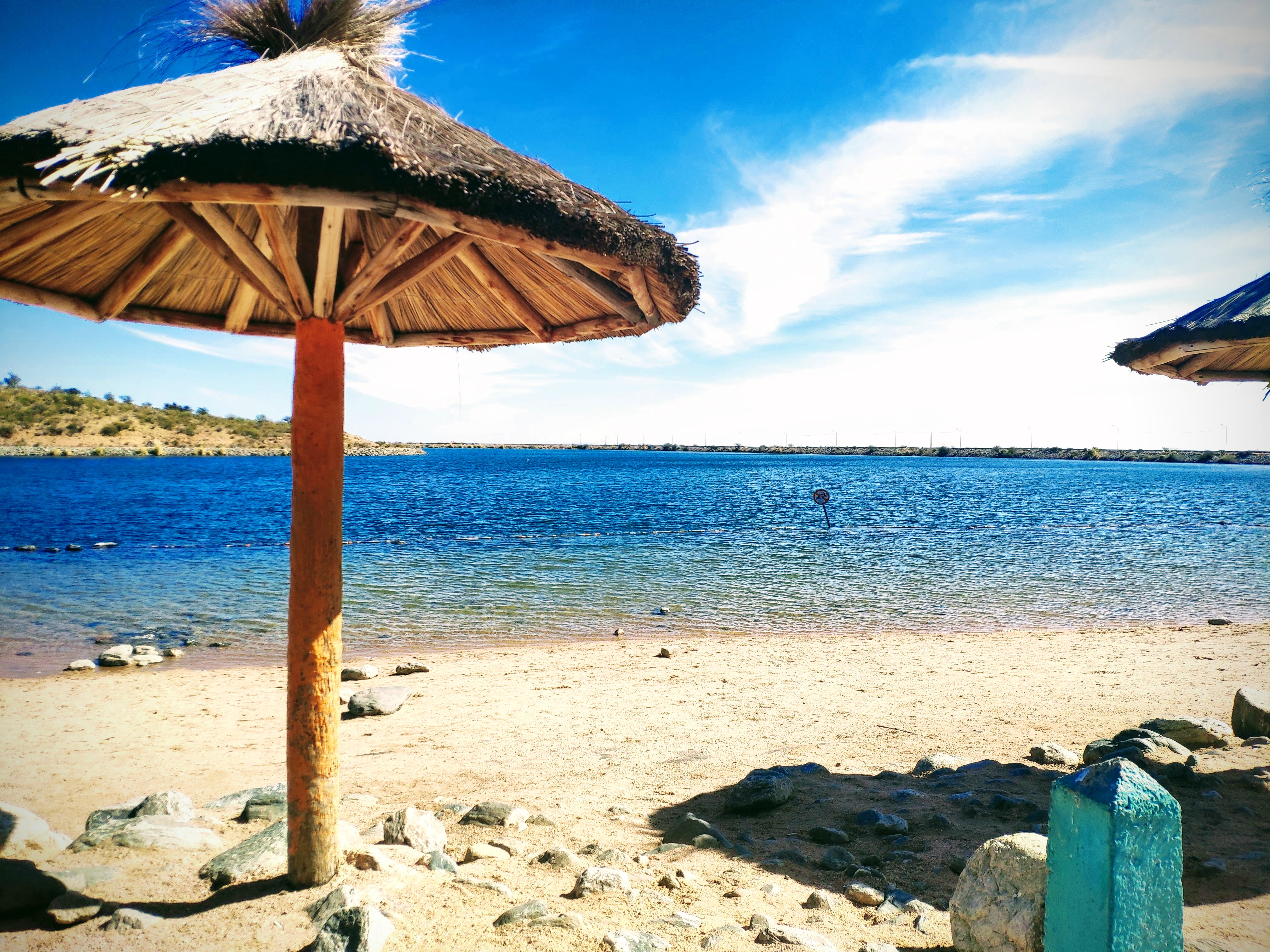
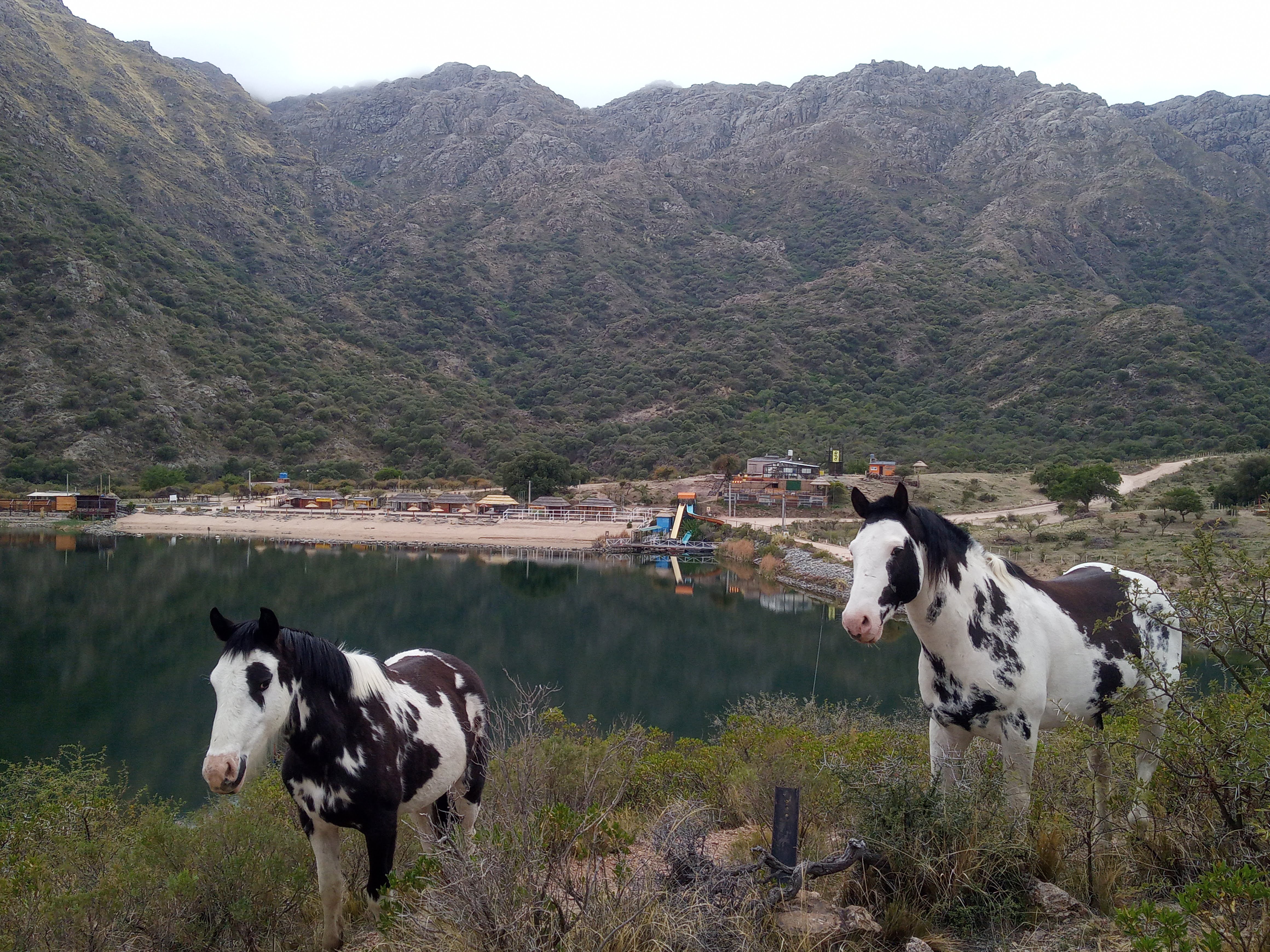
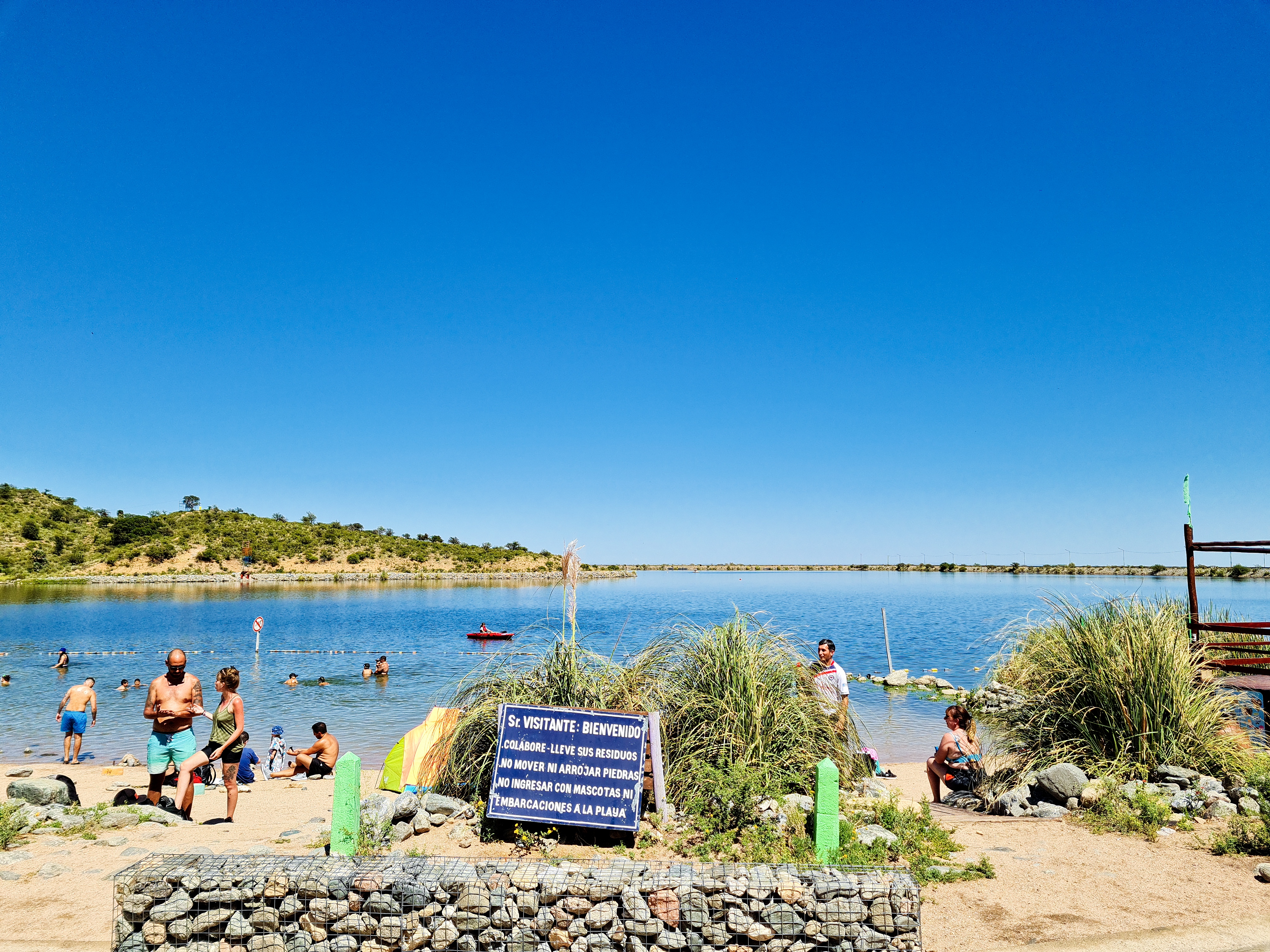
The charm of Piscu Yaco lies in how the made lake and the wild hills complete each other. On one side, a mirror-still lake; on the other, ancient silent sierras — two views below capture this quiet balance.
The Mirror of Water
The Embracing Sierras
06
Plan Your Visit
Piscu Yaco is a public mountain reservoir, perfect for a half-day or full-day waterside outing. The following helps you plan with ease.
Access
The public lakeside area is open to the public year-round. Daytime visits are recommended for water activities and hiking.
No gated hours, but night lighting is limited — plan to leave the shore before sunset.
Entrance
The public lakeside area is free to enter; no ticket is charged.
Some rentals (boats, camping gear) may be charged by on-site operators — confirm locally.
Suggested Duration
Easy lakeside loop + picnic: about 2–3 hours.
Hiking + birdwatching + camping: a full day.
Combine with nearby Villa de Merlo or Los Molles for a 1–2 day mountain trip.
Travel Tips & Notes
Sun & Hydration: the San Luis highlands are sunny and dry — use sunscreen, wear a hat and carry water
Large day–night temperature swings; bring a light jacket
Wear comfortable non-slip shoes; some dirt paths get slippery after rain
Birding etiquette: stay quiet, don't approach nests, use a zoom lens instead of getting close
Leave No Trace: take all rubbish, avoid chemicals in the water, protect the 'birds' watering place'
The final ~2 km to the lake is paved mountain road; check conditions in the rainy season
07
Precise Transportation Guide
From San Luis Capital / Airport
The nearest airport is at the San Luis provincial capital (~190 km away); Córdoba is an alternative gateway. From there, self-drive or a hired car is recommended.
Self-drive / Hire Car (Recommended)
about 2–2.5 hr drive190 km
• Head north from the capital on the Merlo-bound road
• In the Conlara Valley follow 'Dique Piscu Yaco' signs
• At Provincial Route 1 (RP-1) km 25.5 turn onto the mountain spur, then ~2 km to the lake
Public Transport
From Villa de Merlo you can take a minibus or shared ride toward Cortaderas and walk in near the reservoir.
Minibus / Shared Ride (Merlo → Cortaderas)
Take a Cortaderas-bound minibus from Merlo's terminal and ask to stop at the Piscu Yaco junction.
• Catch a Cortaderas-bound minibus in Villa de Merlo
• Alight at the reservoir access road
• Walk ~2 km (or use a local transfer) to the lake
From Villa de Merlo
Merlo is about 25 km away and is most visitors' base. Driving takes about 20–30 minutes through classic Conlara Valley scenery.
• From Merlo head south on RP-1
• At ~km 25.5 turn onto the mountain spur
• Drive ~2 km of paved road to the lakeside parking
Transport & Altitude Tips
Comfortable altitude: the reservoir sits in a valley around ~1,000 m — milder and pleasant compared with high Andes
Merlo has rich lodging and dining — a good base
Mobile signal is patchy in the hills; download offline maps
Combine with Merlo and Los Molles in one trip
Weekends and holidays fill the car park — arrive early
‘Piscu Yaco’ comes from Quechua: ‘piscu’ means bird and ‘yaco / yaku’ means water — together ‘the birds’ watering place’ (Aguada de los Pájaros), sometimes read as ‘clear water’. The name honours San Luis poet Antonio Esteban Agüero and his ‘Cantata to the Old Carob Tree’.
The public lakeside area is free and open year-round, with no ticket. Daytime visits are best; night lighting is limited. Some boat or camping rentals may be charged by on-site operators.
You can kayak and row, recreational fish, enjoy easy lakeside hiking and birdwatching, and picnic or camp in designated areas. The calm water and encircling hills suit families and outdoor lovers alike.
Merlo is about 25 km away. Drive south on RP-1, turn onto the mountain spur at ~km 25.5 and continue ~2 km — about 20–30 minutes. A Cortaderas-bound minibus also stops at the access road.
The highlands are sunny and dry — protect yourself from the sun and drink water; temperatures swing day to night. Stay quiet for birding, take all rubbish, and avoid chemicals in the water to help protect this ‘birds’ watering place’.